Capital-Intensive Agriculture and Development in Agricultural Frontiers

Overview
Conventional wisdom holds that frontier regions in developing countries are characterized by weak states and dominated by clientelistic elites. Yet substantial variation in local state capacity exists even within the countryside. What explains these differences? This paper advances a new explanation for the development of local state capacity grounded in the rise of capital-intensive agriculture. I argue that agricultural modernization redistributes local power by strengthening commercially oriented farmers and fostering the emergence of urban-commercial groups through broader economic diversification. Because these processes complement state capacity with productive assets, they increase the incentives of these actors to demand and support investments in local state capacity. I evaluate this argument in Brazil, where the adoption of high-yield crop varieties transformed agricultural production unevenly across space. Exploiting variation in the timing of high-yield variety adoption and municipality-level differences in agroecological suitability since the 1970s, I implement an instrumental-variables strategy to estimate the long-run effects of agricultural modernization on local state capacity. The results show that the expansion of capital-intensive agriculture played a pivotal role in strengthening local state capacity by fostering a commercially oriented class of farmers and local economic elites with incentives to support public administration and governance. I complement these quantitative analyses with original fieldwork conducted in Brazil’s agricultural frontier regions, including semi-structured interviews, archival research, and site visits. More broadly, the findings demonstrate how technological change can generate spatially uneven patterns of state capacity and development, even in historically low-capacity frontier regions.
My Work
Selected Research
My work has appeared in Nature, International Studies Quarterly, and other outlets.
More projects
working paper
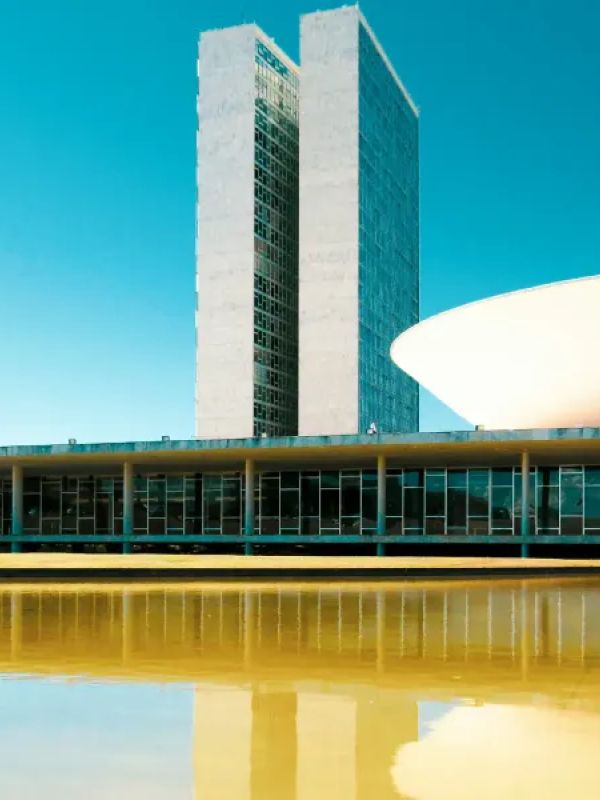
Climate Change and Inequalities in Political Entry: Evidence from Brazil
The repercussions of climate change, along with the associated events, often exacerbate existing political, economic, and social inequalities. This study delves into the influence of extreme weather events on the decision to pursue a political career in Brazil, a nation that encompasses more than half of the Amazon…
 Read more
working paper
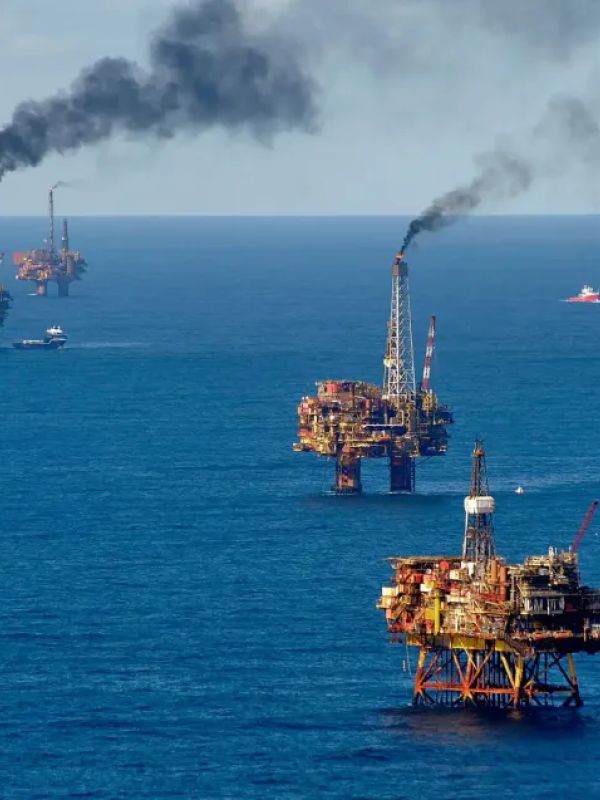
Oil Windfalls and a Conditional Political Resource Curse: Evidence from a Natural Experiment in Brazil
Do natural resource windfalls affect democratic outcomes? We argue that the effect of such revenues on democratic outcomes is conditioned by the strength of political institutions. Where institutions are weak, natural resource revenues are diverted towards clientelistic practices, which increase incumbent reelection…
 Read more
articles
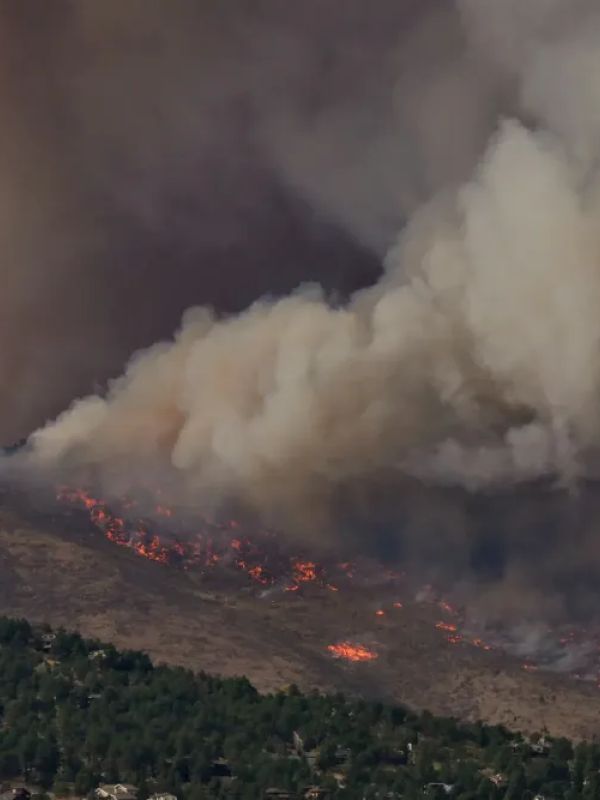
Holding Ground: The Resilience of Protected Areas under Institutional Weakening
Protected areas are a cornerstone of global conservation policy, yet those located in remote regions are often viewed as inefficient because they protect forests under little immediate threat. This view assumes static institutions and stable land-use patterns. We show instead that the conservation value of protected…
 Read more
article
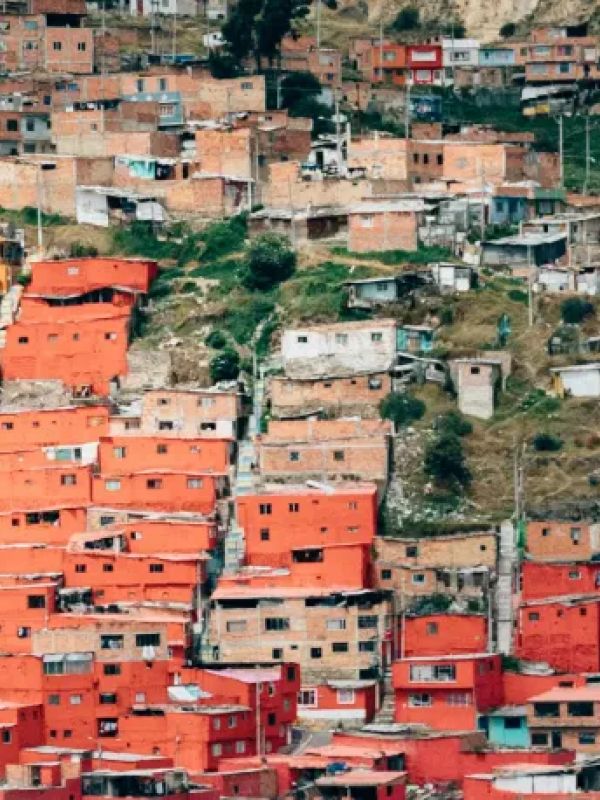
Determinants of Climate Change Risk Perception in Latin America
Climate change risk perceptions are subjective constructs that individuals use to interpret the potential harms of climate change and influence their engagement in mitigation and adaptation efforts. While research in high-income Western countries has identified cognitive processes, socio-cultural factors, and…
 Read more
Contact Me
Let's Talk
If you are interested in knowing more about any of my projects or think we have similar interests, please feel free to contact me.